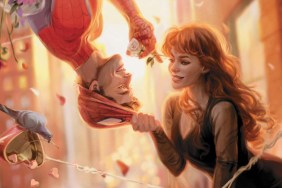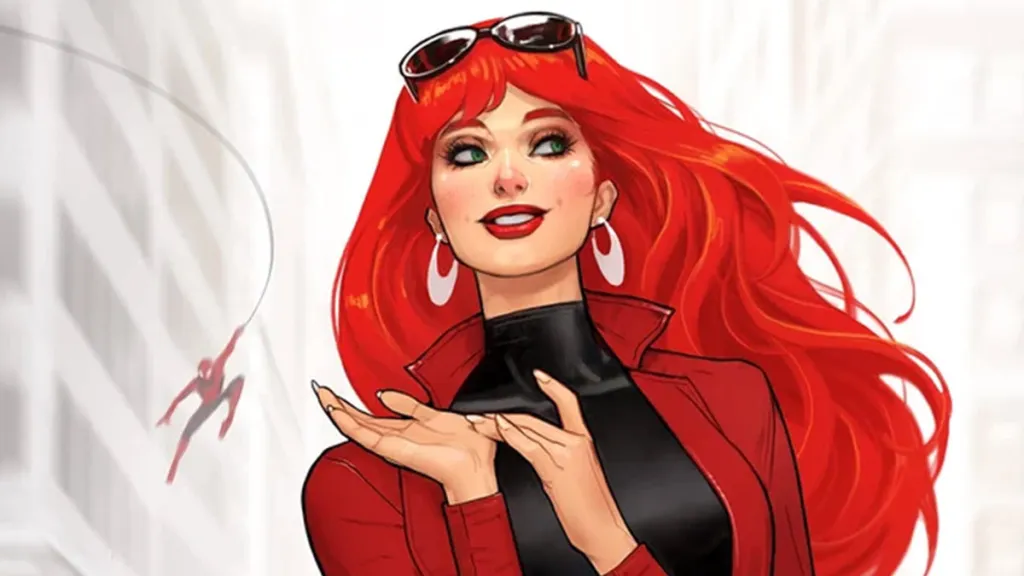
The Mary Jane: Face It Tiger special highlights Marvel‘s biggest Spider-Man mistake rather than celebrating their successes. The comic is meant to celebrate the 60th anniversary of Mary Jane‘s first appearance. Sadly, all it accomplishes is showcasing how badly Marvel management has mishandled one of comics’ greatest love stories.

Mary Jane: Face It Tiger is made up of four individual stories. Three of them are set at a point in time when Peter Parker and Mary Jane Watson are still married. The fourth and final story is set in the modern Marvel timeline, where MJ and Spider-Man never married and remain broken-up.
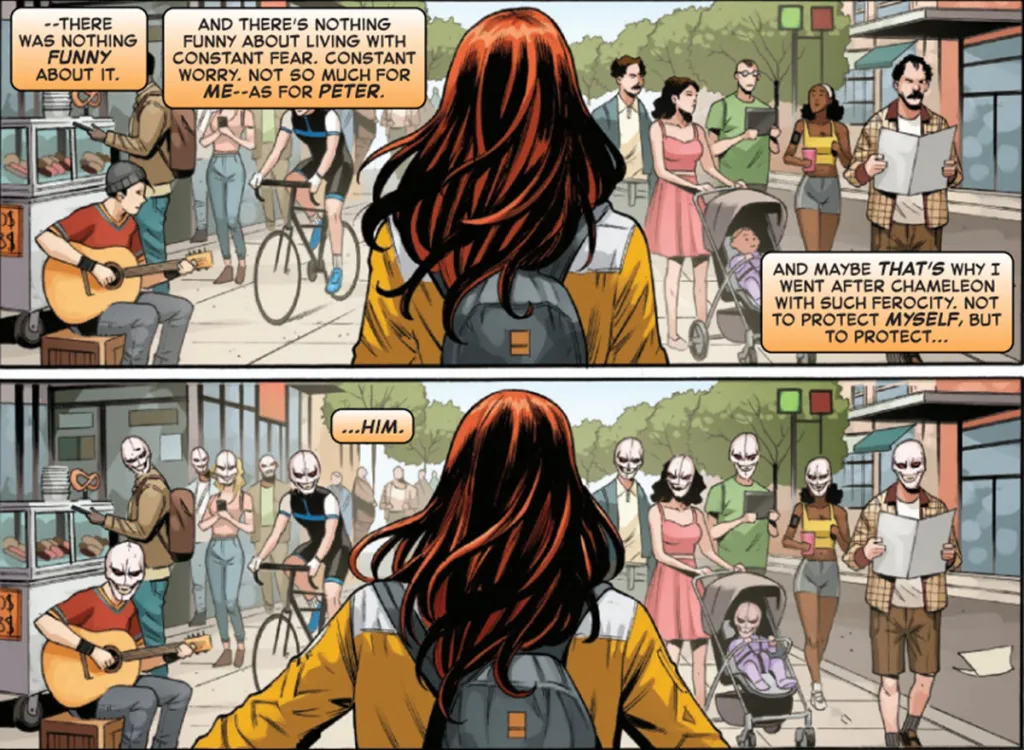
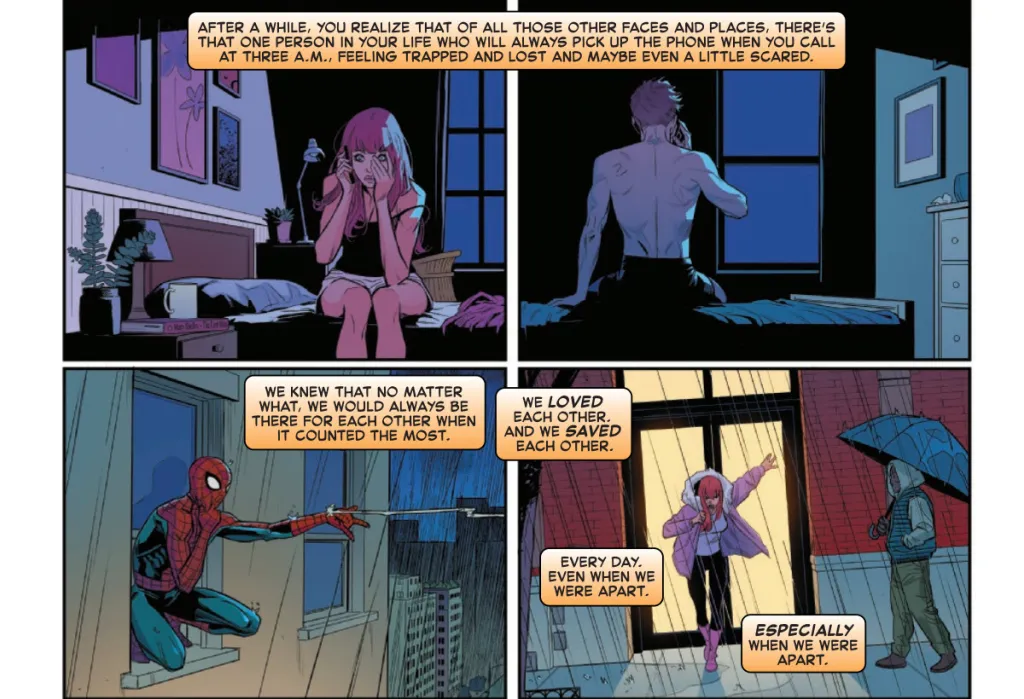
In “Faces in the Crowd,” J.M. Dematteis and Andrea Broccardo explore the PTSD that MJ developed after confronting The Chameleon when he impersonated Peter. “Vamp #9” by Ann Nocenti and Alina Yerofieieva finds Mary Jane taking on the hero role on a movie set, using her knowledge to neutralize a supervillain. “Soft Words at Sunset” by J. Michael Straczynski and Luigi Zagaria jumps into the future, showing an older Mary Jane reflecting on her life with Spider-Man.
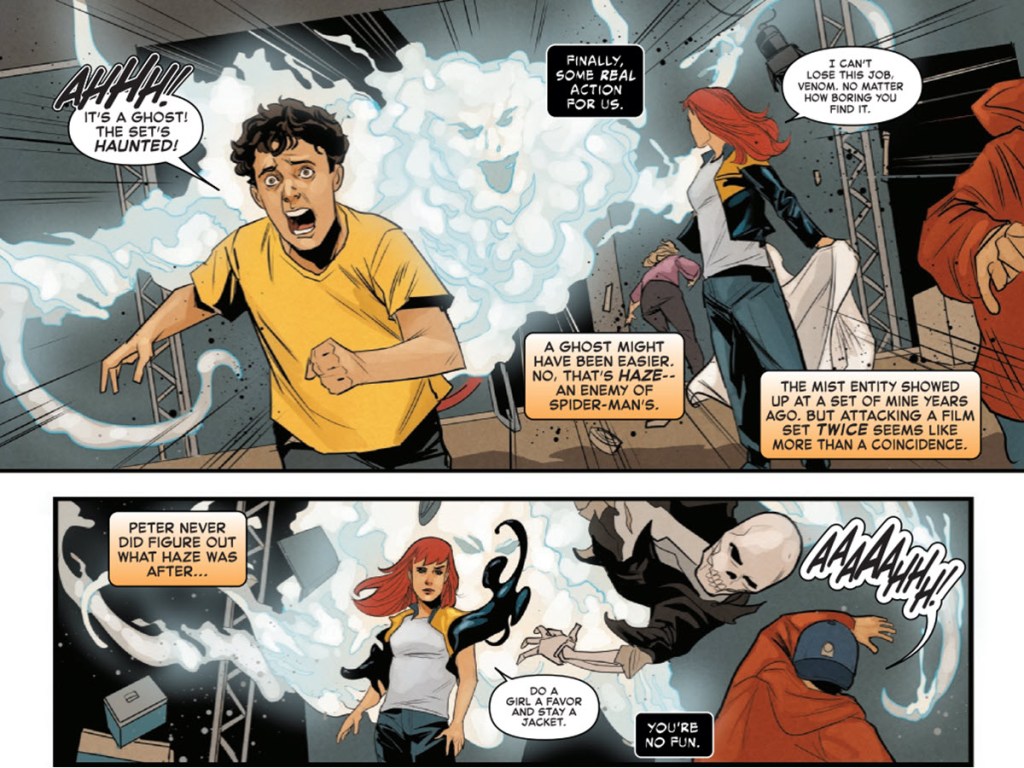
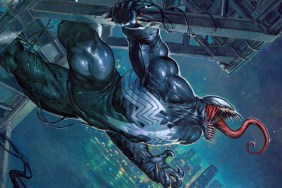
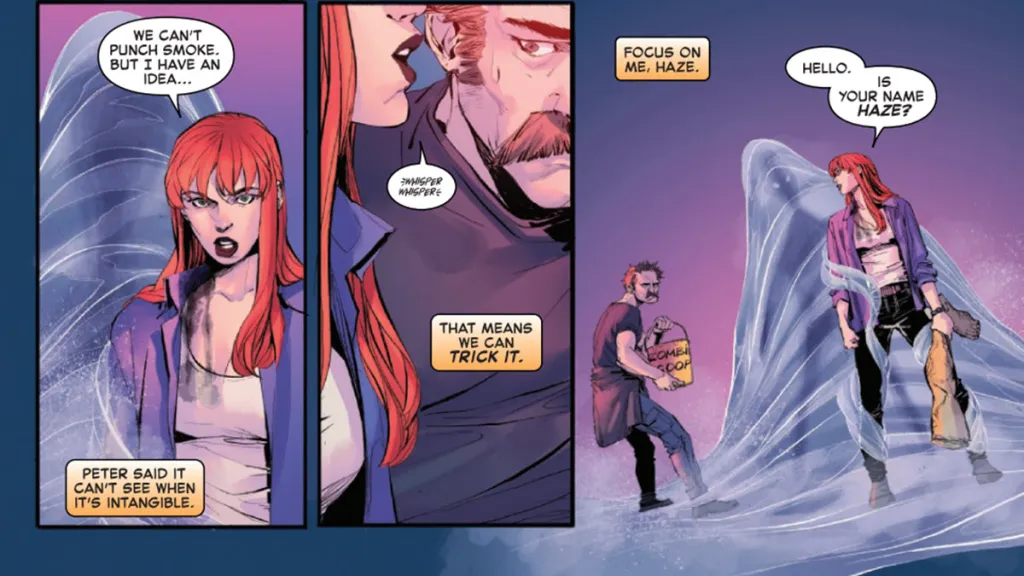
The final story, “Redux” by Ashley Allen and Phil Noto, calls-back to the earlier “Vamp #9” story. In it, Mary Jane must confront the villain Haze on a different movie set. This time, however, she has the aid of the Venom symbiote. This short story correspondingly serves to set-up the upcoming Friendly Neighborhood Mary Jane miniseries.
Mary Jane special recaptures the heart missing from modern Spider-man comics
Every story in Mary Jane: Face It Tiger is technically proficient. The art is solid across the board and the stories are well-paced. However, the final story sticks out as if the entire anthology were a “One Of These Things (Is Not Like The Other)” segment from Sesame Street.
As a story, “Redux” is only an action piece setting up a future story. By contrast, the other stories draw upon Mary Jane’s history, personality, and feelings. They also, in showcasing Peter and MJ as a couple, shine a spotlight on different aspects of what went wrong with the Spider-Man comics after 2007’s “One More Day” retconned their marriage.
“Faces in the Crowd” proves that MJ was always a hero, even as she has a natural reaction to personally inflicting violence. She never needed a symbiote or a power gauntlet. “Vamp 9” showcases MJ’s own intelligence and creativity, born of her empathy and taking an interest in other people’s passions. This offers a subtle demonstration of what she and Peter have in common and what made them work together.
“Soft Words at Sunset” is a more personal but no less powerful story. It calls back to a time when Marvel allowed its writers to tangent off into details that make their heroes seem more human. In this case, Mary Jane recalls how Casablanca was Peter’s favorite movie.
It’s not an important plot point. Yet it is fitting that Spider-Man should feel an affinity with a movie about a man nobly choosing the greater good over love. It also adds an ironic coda to the story if one recalls the lyrics to “As Time Goes By.”
There’s a further irony in Mary Jane: Face It Tiger. In trying to celebrate the past, Marvel has only exposed how the current Spider-Man comics lack the heart of bygone days. And yet, no matter how long Marvel Editorial tries to keep Peter and MJ apart, “the world will always welcome lovers… as time goes by.”
Grade: 6/10