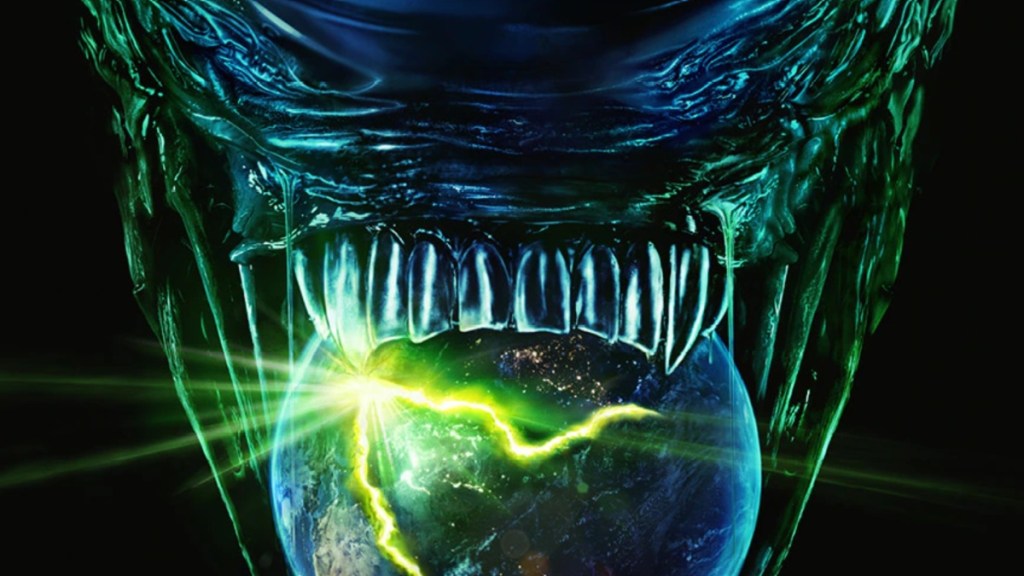
The arrival of FX’s new sci-fi series Alien: Earth, created by Noah Hawley, has provided an answer to one of the biggest questions fans ask whenever a new Alien project arrives — where does it fit into the franchise’s sprawling timeline? The answer cements its connection to Ridley Scott’s original 1979 masterpiece, confirming whether it’s a prequel or not.
What is Alien: Earth’s timeline, and is it a prequel to past movies?
Set in the year 2120, Alien: Earth takes place just two years before the events of Alien, which is set in 2122. This firmly makes it a direct prequel to the first film, much like Rogue One is to Star Wars: A New Hope.
With the USCSS Nostromo — the freighter from Alien — also launching from Earth in 2120, fans might even witness its departure during the series, neatly bridging the gap between the new show and the movie that started it all.
While Alien: Earth connects closely to the original Alien film, the franchise’s larger chronology spans centuries. Excluding the non-canon Alien vs. Predator films, the earliest point begins with Prometheus (2089) and Alien: Covenant (2104). These explore humanity’s encounter with the Engineers and the creation of the Xenomorphs.
After Alien: Earth and Alien (2120–2122), the timeline moves to Alien: Romulus (2142), which happens between Alien and Aliens. This 2024 release tells a new story aboard a space station where scientists experiment on Xenomorphs, creating a fresh new arc while respecting established lore.
Decades later, Aliens and Alien 3 both take place in 2179, following Ripley’s battle to protect humanity from yet another outbreak. The timeline then takes a massive leap to Alien: Resurrection in 2381, where cloning and genetic splicing add a bizarre twist to Ripley’s story.
To summarise, here’s when all of the Alien projects are set:
- Prometheus: 2093
- Alien: Covenant: 2104
- Alien: Earth: 2120
- Alien: 2122
- Alien: Romulus: 2142
- Aliens: 2179
- Alien 3: 2179
- Alien: Resurrection: 2381
By placing Alien: Earth right before the events of the first film, FX and Hawley are not only expanding the mythos but also snowballing the lead-up to cinema’s most iconic sci-fi horror. Its proximity to Alien allows it to explore the Weyland-Yutani Corporation’s growing ambitions in addition to the evolution of androids like Timothy Olyphant’s Kirsh, and the shadow of the Nostromo mission before disaster strikes.