The lives of superheroes are largely thankless. Most of them work for free, sacrificing their time, money, and lives to make the world a better place. That is not always easy with a more situational superpower, but still they try. Despite this, there are some superheroes who are underrated and don’t get the recognition they deserve.
Sometimes it is because they seem too similar to other costumed crime-fighters. Other times it is because everything that marked them as unique was removed in the process of adapting them for other media. Regardless, there are several members of the community of superheroes who are highly underrated and deserve more respect.
Most Underrated Superheroes
To clarify, underrated in this context means within popular culture and not within the reality of the comics and associated adaptations. No comedic superheroes whose characters are defined by no one taking them seriously are in play. (Sorry, Deadpool!) This list also avoids those heroes who, while long viewed as a joke, have come to be viewed seriously by the general public. The best example of this is Aquaman, who is not widely seen as “that guy who talks to fish” after two solo movies starring Jason Momoa.
Green Arrow
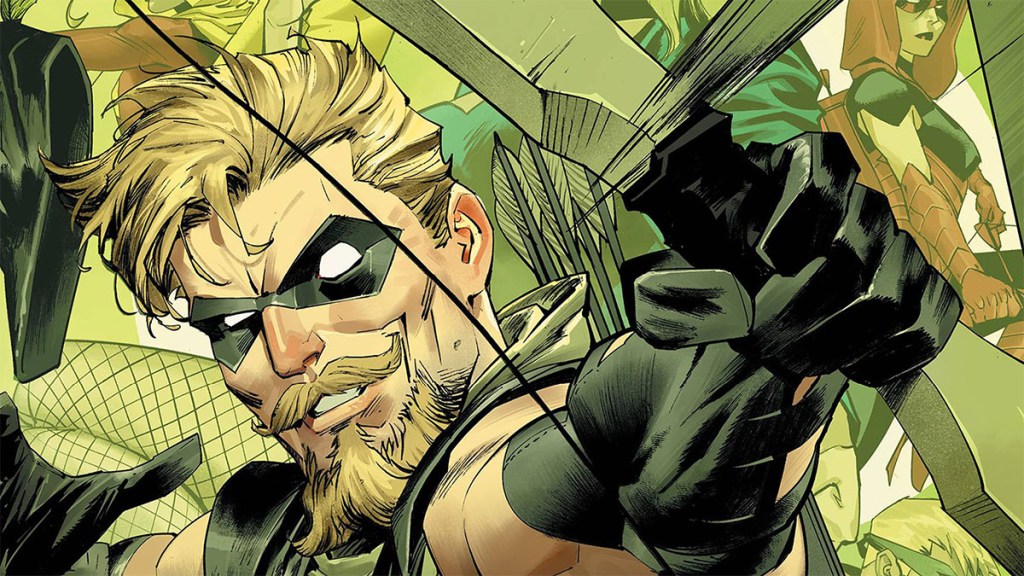
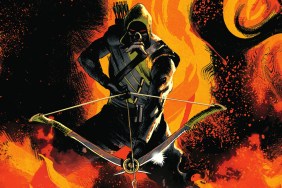
There are many people who become superheroes without powers in the DC Universe. However, only Green Arrow is continually dismissed as a B-list Batman. This is somewhat understandable, given both heroes are billionaire orphans who use advanced gadgets to fight crime. Indeed, the only apparent difference is the wonderful toys Oliver Queen uses are all on a stick. However, Green Arrow originally started out as a drastically different character.
When first introduced in 1941, Oliver Queen was an archeologist/adventurer in the same spirit as Indiana Jones. His mastery of the bow came about because of his studies of Native American cultures, including their hunting techniques. Despite this, he was equally capable of using a sword and shield to defend his museum from robbers. It should also be noted that his hideout, the Arrow Cave, predated the Bat-Cave by the better part of a year.
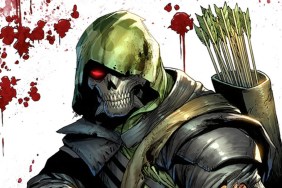
These details would be obscured by later writers, who retconned Oliver Queen into one of many generic billionaire playboy superheroes. It would be several decades before Green Arrow would be reinvented again as a modern-day Robin Hood. By then, however, it was too late. Even now, after having his profile elevated by the shows Smallville and Arrow, many refer to Oliver Queen as “Green Batman.” However, that may change with the upcoming Absolute Green Arrow series, which delivers a horror-themed twist on the Emerald Archer.
The Wasp
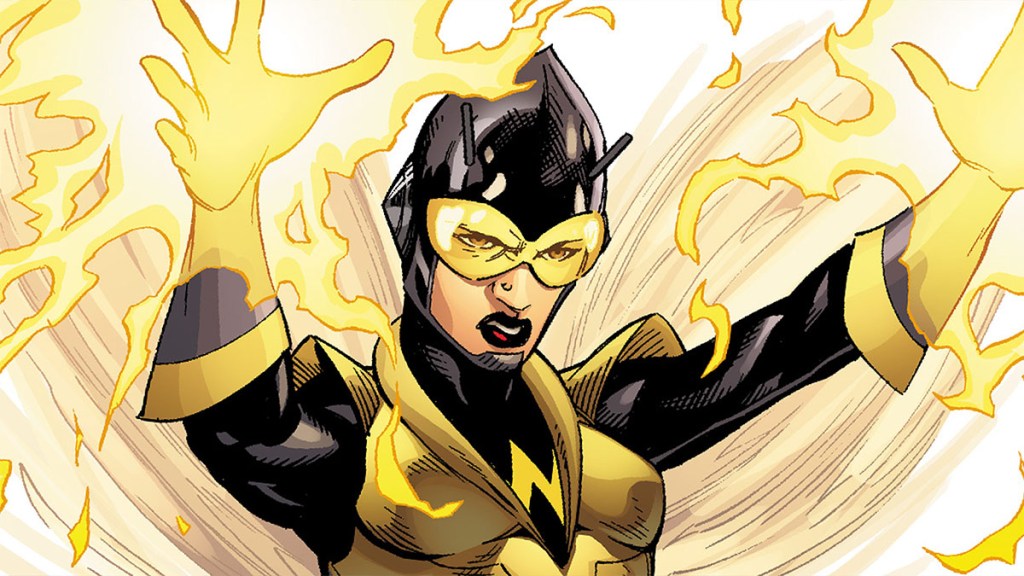
For all that Marvel Comics did to redefine superheroes in the 1960s, it faltered in its portrayal of women. All of their big superhero teams had one woman and, without exception, they always had the weakest powers. They also had almost no personality beyond seeking romance. Yet of all the women who suffered in this manner, Janet Van Dyne (a.k.a. The Wasp) had it the worst.
Despite being a founding member of The Avengers, The Wasp rarely got the same respect as the other founders. This went beyond simple sexism, however. Janet Van Dyne was usually written as a bored, clothes-obsessed socialite. Despite having become The Wasp to avenge her father’s death, she was still seen as a dilettante who became a superhero to share her boyfriend’s hobbies. It didn’t help that her shrinking and flying powers were rather limited.
Later writers did try improve Janet’s portrayal. Beyond developing into a master tactician and the heart of The Avengers, she was also a successful businesswoman. Her interest in fashion allowed her to become a major designer. However, she also used her knowledge of costume design to develop special uniforms for other superheroes.
Unfortunately, some writers still portray Wasp as a vapid airhead. It also says a lot that her MCU incarnation was almost an afterthought. Despite retroactively being made capable of surviving in the Quantum Realm alone for several decades, Janet Van Dyne was never intended to be a major player, despite her history in the comics.
Martian Manhunter
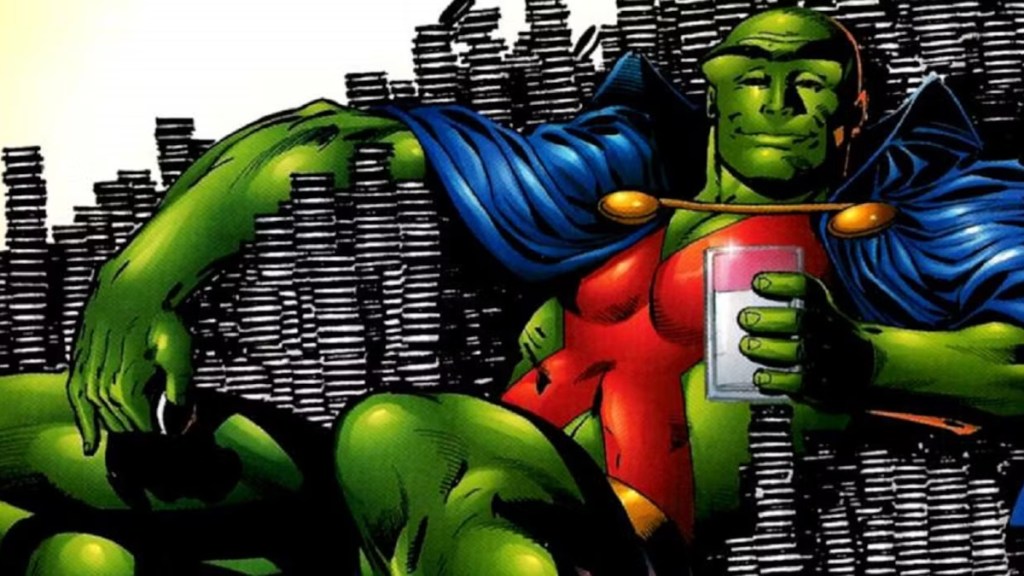
In many ways, J’onn J’onzz is the heart of the Justice League. The Martian Manhunter not only founded the team, but was a member of every incarnation of the team up until the New 52 era. Despite this, he was never afforded the same level of respect as other Justice League members.
Unlike many underestimated superheroes, this is not a matter of power or skills. Martian Manhunter is one of the few superheroes who can give Superman a run for his money in terms of raw power. Beyond the standard complement of flying brick powers, J’onn is a telepath and a shapeshifter. Throw in his training as a detective, and Martian Manhunter is basically Batman and Superman combined into one character.
Ultimately, there are two reasons why J’onn J’onzz is not well regarded. The first is that he doesn’t have much of a public profile outside the Justice League animated series and the Supergirl television series. The other is that, for all his power, his weakness to fire is a major liability. As Batman noted in Justice League: The New Frontier, while stopping Superman required thousands of dollars to buy a piece of Kryptonite, “with you, all I need is a penny for a book of matches.” Thankfully, the new Absolute Martian Manhunter series has given J’onn a much-needed boost in popularity.
Hercules
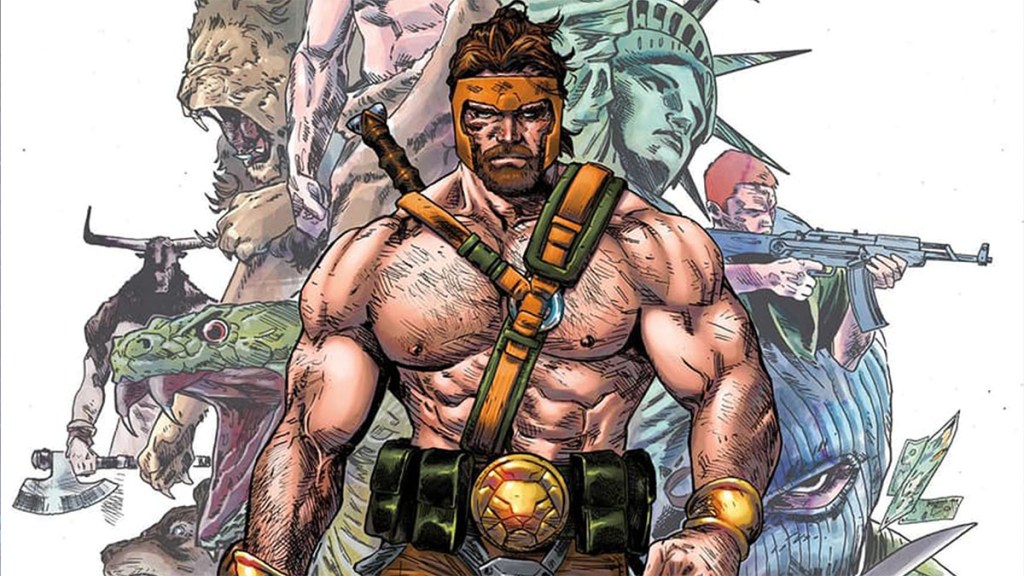
While Hercules is not the first superhero of Classical Mythology, he is probably the most famous. He’s certainly the most prolific in sheer volume of adaptations. Movies. TV series. Even a Disney animated movie. The Prince of Power has had them all. And yet, his incarnation in the Marvel Universe is largely seen as a joke.
Admittedly, much of that perception is down to how he was often written as a more comical version of Thor. Indeed, his introduction to The Avengers came about because of Thor’s enemy, Enchantress. The incident saw Hercules banished from Olympus, much as Thor’s adventures as a superhero started with his banishment from Asgard. This did little to challenge the view of many comic readers that Hercules was a substitute Thor.
In truth, Hercules is a drastically different character. While Thor has a more diverse range of powers, the Odinson acknowledges that Hercules is his better in terms of raw strength. Additionally, for all his buffoonery off the clock, Hercules is an honest hero with thousands of years of experience. Such is his spirit that, even when deprived of his divine powers, he still sought to be a superhero, by using the arsenal of magic weapons he had acquired as trophies. Yet many still view him as a drunken parody of Marvel’s Thor.
Black Canary
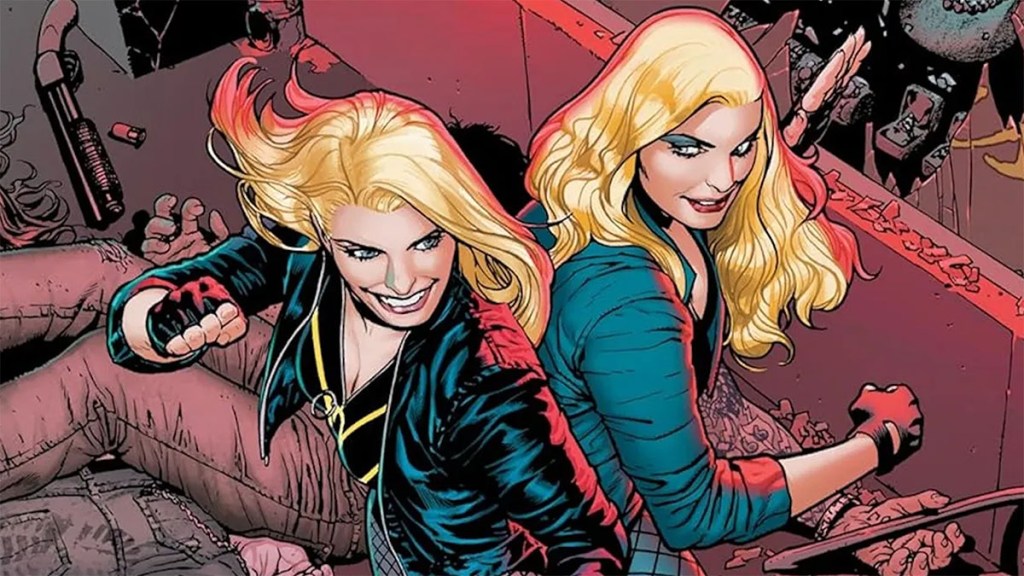
In a better world, Black Canary would be one of the biggest superheroes in DC Comics‘ stable. She is scion to one of the few mother/daughter legacies in all of comics. And depending on the timeline, she helped found the Justice League. Regardless, Dinah Lance has served as leader of both the League and the Birds of Prey. She’s a master martial artist, somewhere in DC‘s top 10. And yet, for all of that, she’s still seen as Green Arrow’s girlfriend/sidekick.
Looking back on Black Canary’s history, there is an ebb and flow to her stories. The first Black Canary, Dinah Drake, started off as a supporting character to Johnny Thunder in 1947, before proving popular enough to steal his feature in Flash Comics. She then joined the Justice Society of America and got lost in the shuffle of other superheroes.
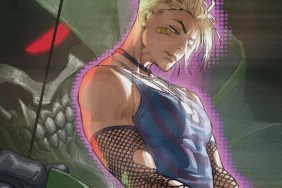
This started a cycle of her (and later, her daughter, Dinah Laurel Lance) going solo, only to ultimately be enveloped in another group. Even ignoring her on-again/off-again romance with Oliver Queen, Dinah Lance always seems to wind up as part of a duo or a team. This has even extended into the new Absolute Universe setting, where Dinah Lance was introduced in Absolute Green Arrow. (To be fair, she is the main character, since Oliver Queen is dead as the series opens.)
This tendency seems to have followed Black Canary into the world of film and television. Black Canary has been adapted for live-action film and television nearly a dozen times, if you count every version of Dinah Lance and Dinah Drake. Always as part of an ensemble and rarely the focus of the action. Additionally, these adaptations barely resemble the Black Canary of the comics, with Arrow’s single female lawyer character Laurel Lance being the most egregious.
How we chose the Most Underrated Superheroes
The main criteria in assembling this list was public perception compared to comic book history. Superheroes were chosen based on their having a great track record in comics that hasn’t translated to wide-spread popularity or recognition. Focus was also given to characters who are dismissed as rip-offs or sidekicks to other superheroes, despite having solid records as solo performers.