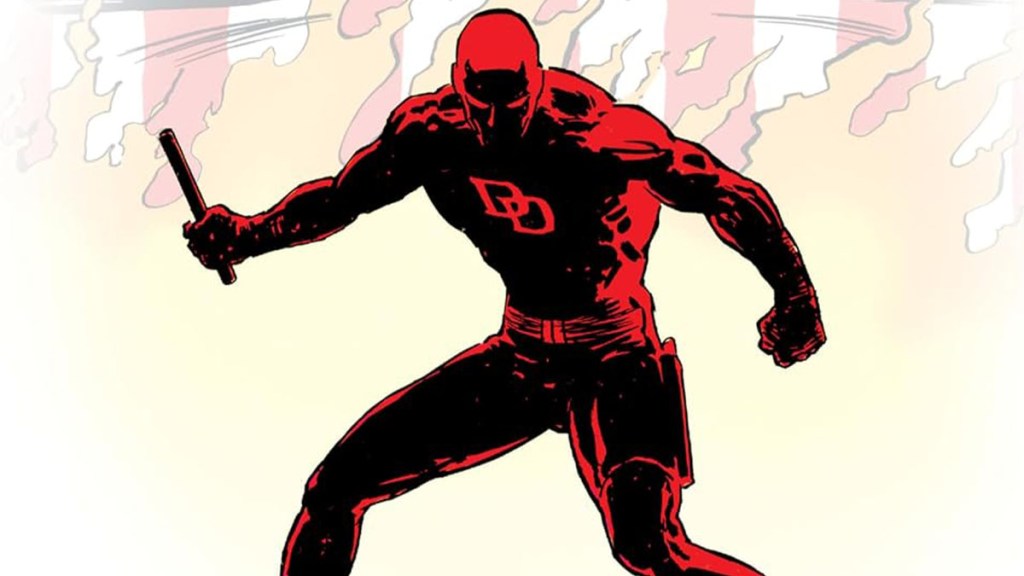
Daredevil’s rise to mainstream popularity was marked by his appearances in movies and TV, but the hero has been around for over sixty years. As one of the first disabled superheroes, he has been an inspiration to millions and rose to become one of Marvel’s major heroes. Those who know him from the MCU might want to read some of Daredevil’s best comics, but combing over six decades of issues is an imposing task. To help out, we’ve put together a list to get you pointed in the right direction.
Best Daredevil Comics as of 2025
Daredevil debuted in the comic of the same name in April 1964. He was based on a Golden Age hero of the same name, who was deaf and placed in New York City to be a contemporary of Spider-Man. He eventually moved to San Francisco and started a relationship with Black Widow, but would return to Hell’s Kitchen a few years later. Frank Miller’s run in the 1980s and 1990s would prove to be Daredevil’s most popular era, as the series shifted to a grittier, more adult tone. However, even after Miller’s run, Daredevil proved to be a Marvel staple, and he’s been one of the most consistently published heroes on the publisher’s roster.
Daredevil: Born Again
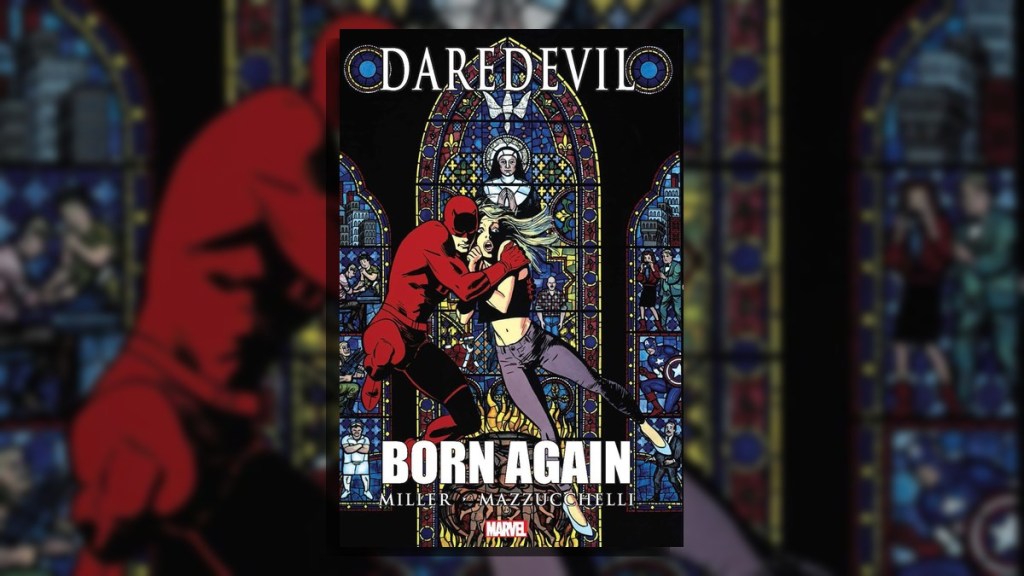
The Kingpin discovers that Matt Murdock is Daredevil and systematically destroys his life: getting him disbarred as a lawyer, ruining his reputation, and driving him to homelessness. With everything stripped away, Matt must rebuild himself from nothing and rediscover what it truly means to be a hero, ultimately confronting the Kingpin to reclaim his identity and purpose. Written by Frank Miller with art by David Mazzucchelli.
Daredevil: Born Again is one of the greatest Daredevil stories because it masterfully deconstructs and rebuilds Matt Murdock both as a character and as a hero. It strips away everything that defines Matt Murdock’s life. When the Kingpin discovers Daredevil’s secret identity, he doesn’t just attack him physically, he destroys his civilian identity, his career as a lawyer, his relationships, and his sense of self. Try to describe yourself without telling me what you do. It’s hard. It’s intensely personal and resonant to lose everything and find the strength to rebuild. We watch Matt’s world crumble piece by piece, making his eventual recovery feel earned. Mazzucchelli’s artwork perfectly complements the story’s themes. His realistic, grounded style makes the urban decay of Hell’s Kitchen feel real. Also his subtle visual storytelling adds emotional weight that pure dialogue couldn’t achieve. Born Again established a template for how to challenge characters while respecting their core essence.
The Man Without Fear
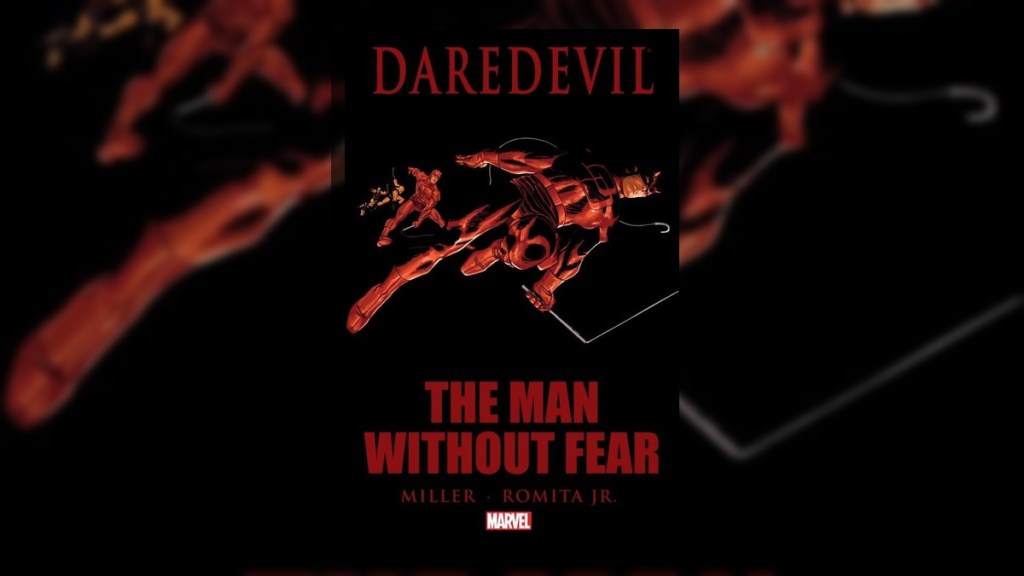
Young Matt Murdock is blinded in an accident that enhances his other senses. After his boxer father is murdered by criminals, Matt trains himself to fight and eventually becomes the costumed vigilante Daredevil to protect Hell’s Kitchen and get justice for his father’s death. Created by Frank Miller and John Romita Jr., this five-issue series reimagines Matt Murdock’s journey from accident victim to vigilante.
Daredevil: The Man Without Fear is the definitive origin story. The story shows how Matt develops his abilities and moral compass. Instead of rushing, Miller takes time to explore how a blind teenager would realistically adapt to his enhanced senses, train his body, and gradually build the skills to become Daredevil. The story weaves together Matt’s personal relationships with the larger criminal underworld of Hell’s Kitchen. These relationships aren’t just backdrop; they’re key to understanding Matt. Romita Jr.’s artwork brings a gritty, street-level realism that matches the story. The story also establishes key elements of Daredevil mythology, like his relationship with the criminal underworld, his connection to Hell’s Kitchen, and his complex moral code. It provides crucial understanding why Matt becomes the type of hero he is. Most importantly, it demonstrates that Daredevil’s greatest strength isn’t his enhanced senses, but his refusal to let fear control him. This is a great place to start with the Daredevil comics.
Last Hand
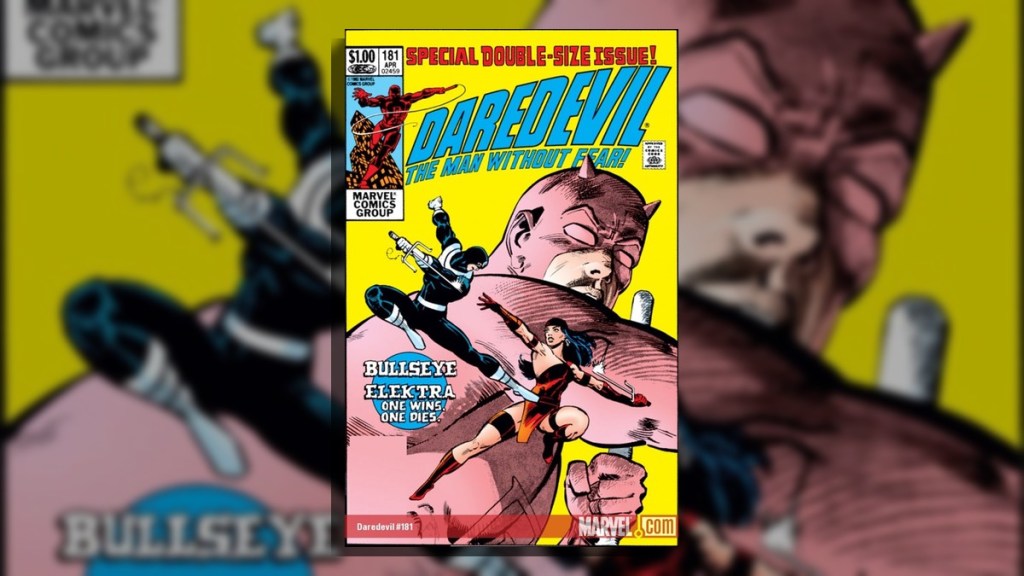
Elektra confronts Bullseye in a deadly fight, but despite her skills as an assassin, Bullseye kills her. Daredevil arrives too late to save her and must cope with losing the woman he loved to his enemy’s violence. Written by Frank Miller and illustrated by Frank Miller and Klaus Janson.
The story is the tragic culmination of Elektra and Daredevil’s relationship. Elektra’s death at the hands of Bullseye is one of the most emotionally devastating moments. Miller doesn’t just kill off a character for shock value. He uses her death to explore themes of love, loss, and the cost of violence. This issue is deeply character-driven, examining how Matt processes grief and guilt. The story is a superhero comic, a crime noir, and a meditation on mortality and consequence. The artwork is Miller at his peak. His use of shadows and negative space matches the story’s tragic tone. What makes this issue particularly powerful is how it feels like the inevitable conclusion to everything Miller had been building throughout his run. Elektra’s death isn’t random; it’s a consequence from the choices they’ve made and the violent world they live in. Plus, Elektra’s death would influence Daredevil stories for decades to come.
Roulette
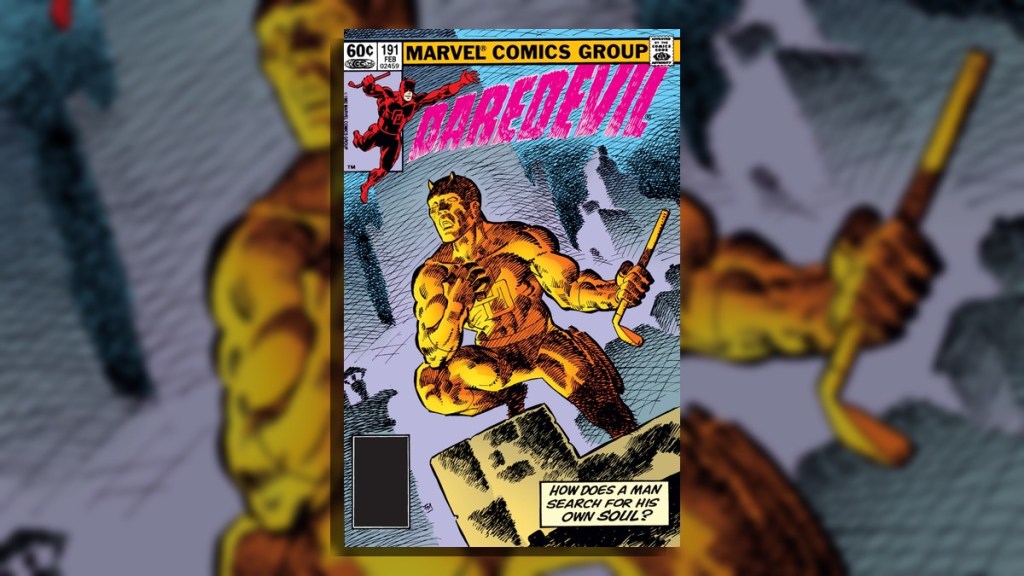
Matt Murdock is forced to play Russian roulette in a deadly gambling scenario. As he faces the life-or-death game of chance, the story explores his relationship with risk, mortality, and what it means to live without fear. Written and illustrated by Frank Miller.
Daredevil #191 Roulette is one of Frank Miller’s finest single-issue stories because it showcases his ability to craft a complete, emotionally resonant narrative within just 22 pages. Miller uses the roulette premise to dive deep into Matt’s psyche. It’s not a simple action story. It’s a character study about someone who lives constantly on the edge between life and death. Every page serves multiple purposes, advancing plot while revealing character and building tension. The story is a standalone thriller, and a part of Miller’s larger exploration of Matt Murdock. The artwork shows Miller’s distinctive style, using stark contrasts and dynamic panel layouts. His use of shadows and close-ups intensifies the claustrophobic feeling of gambling, and highlights Matt’s internal struggle. Roulette uses its central metaphor to examine the nature of heroism itself.
The Purple Children
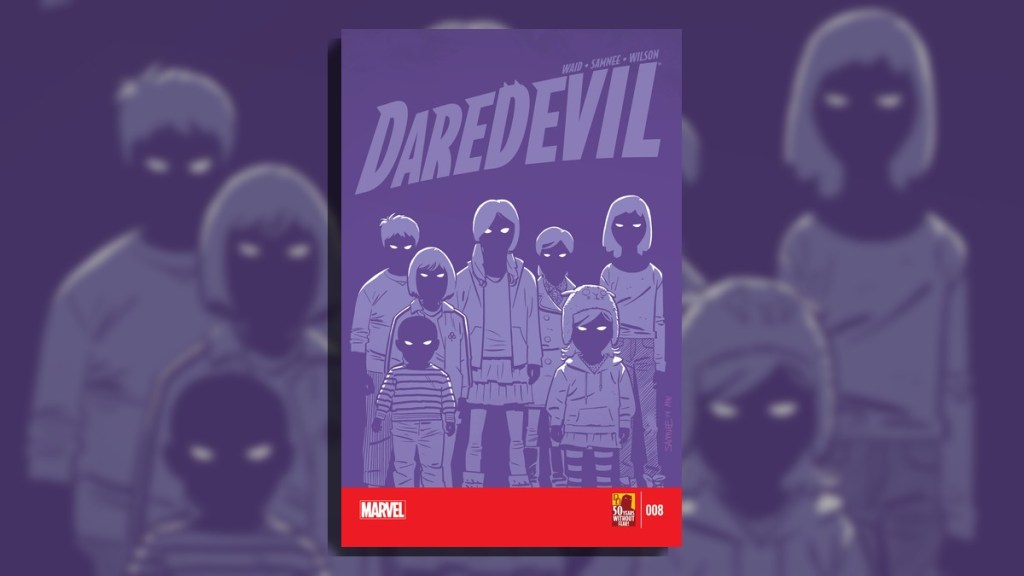
Daredevil encounters the Purple Man’s abandoned children. They’re offspring the Purple Man created by using his mind control powers to force women into relationships before abandoning them. These children inherited variations of their father’s abilities and are dealing with the trauma of their origin while trying to decide whether to use their powers for good or evil. Written by Mark Waid and illustrated by Chris Samnee.
This story introduces the disturbing concept of the Purple Man’s abandoned children. Waid and Samnee use the children to create true horror, and explore the lasting consequences of the Purple Man’s actions. Creepy children are definitely one of my most haunting horror tropes. This storyline transforms the Purple Man from a typical mind-control villain into something far more disturbing. They examine the real-world implications of his powers, and the generational trauma he leaves behind. The Purple Children themselves become complex characters caught between their inherited abilities and their desire to escape their father’s legacy. Samnee’s artwork captures the unsettling tone of the story, while Waid’s takes established villains and finds new psychological depths to explore.
How we chose the best Daredevil comics
The best Daredevil comics explore Matt Murdock’s perspective as someone who experiences the world differently while refusing to be defined by limitations. They examine his conflicts between his roles as lawyer, vigilante, and person trying to maintain relationships. Great Daredevil comics go beyond superhero action and explore themes like justice versus vengeance, the cost of heroism, faith and doubt, and what it means to live without fear. They use the character’s blindness and enhanced senses as metaphors for seeing truth others miss. Great Daredevil art often emphasizes shadows, derelict urban environments, and dynamic action while capturing emotional moments. Maybe we can all be a little inspired by Matt’s refusal to be defined by his limitations. What do you think are the best Daredevil comics?