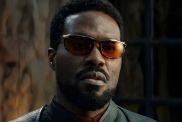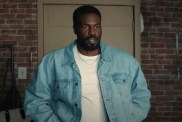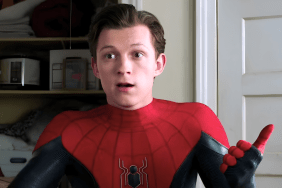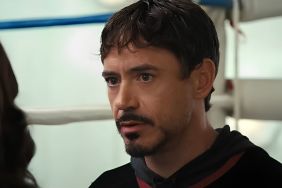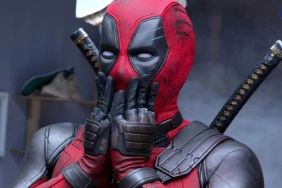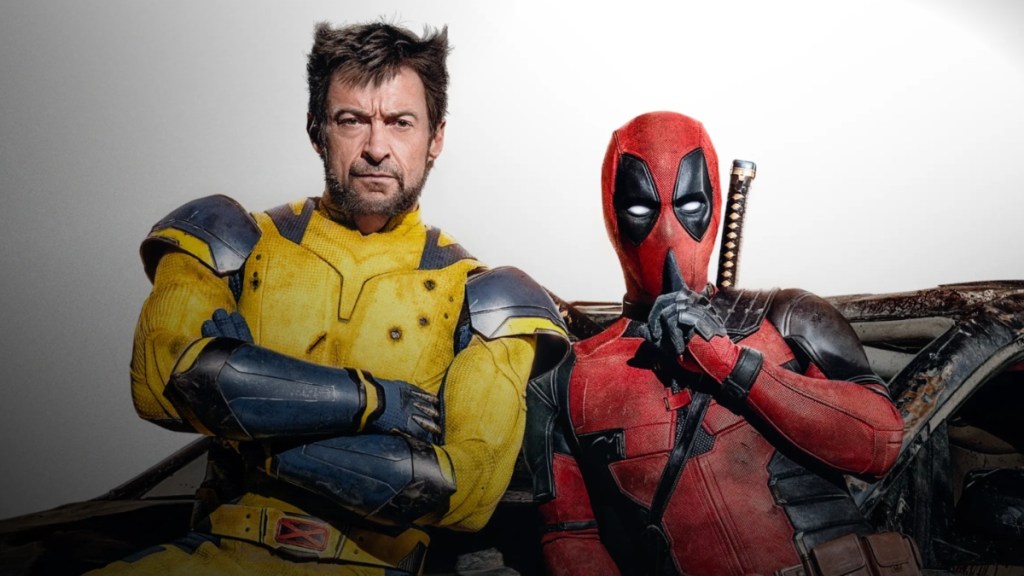
A recent investigation into Deadpool & Wolverine has shifted focus from its box office success to its record-breaking U.K. tax credit. Newly released figures detail how much Disney received through government incentives, sparking renewed debate over public funding for blockbuster productions. The revelations come as the film’s financial footprint draws attention across both political and industry circles.
Deadpool & Wolverine got over $100 million in tax credit
Disney received a total of £82 million (around $104.7 million) in U.K. tax credits for Deadpool & Wolverine, including £60.9 million in 2024 and £21.1 million in 2023, according to accounts reported by The London Standard and Forbes. It is said to be the largest tax credit awarded to a single film production company under the U.K.’s incentive scheme since 2007.
Disney’s U.K. subsidiary, Richmond Street Productions, spent £418.1 million (around $533.7 million) by October 31, 2024. This ranks the film among the 10 most expensive movies ever made. The U.K. government reimburses up to 25.5% of local film production spending, and total tax credits issued since 2007 have amounted to £6.4 billion. Filming took place at Pinewood Studios and various U.K. locations, including Pitstone Quarry and Burnham Beeches.
Campaigners criticized the payout due to its timing before a rise in the U.K. energy price cap and anticipated tax hikes. John O’Connell of the TaxPayers’ Alliance said, “It’s extraordinary that at a time when the tax burden is squeezing ordinary families, ministers are handing tens of millions of pounds to one of the world’s most profitable corporations to make a superhero film.” (via The London Standard)
Dan Neidle of Tax Policy stated, “The current film tax credit rules are clearly important to the film industry, but it’s unclear to me whether they’re value for money for the UK as a whole.”
The film grossed $1.34 billion globally. So, after the reveal of Deadpool & Wolverine’s actual budget, its profitability would likely have been less than what it was initially presumed to be.