While some X-Men ’97 fans may hate it, the death of one character in the Season 2 finale was the right call. Some question the timing of the death, given what is teased for the upcoming season. However, in terms of theme, character, and plot, this death was the most logical development.

The finale of X-Men ’97 Season 2, “Survival of the Fittest,” brings all of the season’s storylines together. The new superhero teams of X-Factor and X-Force join forces to kill the newly resurrected Gambit. This is due to his body hosting the mind of the villain Apocalypse. While most of the X-Men protect their teammate, a small squad made up of Rogue, Beast, and Nightcrawler raid the alien ship that empowered Apocalypse.
Rogue uses the ship to make contact with Eson, a member of the cosmic race known as the Celestials. Despite his disinterest in mortal emotions, Eson agrees to empower Rogue to save Gambit. However, power has a price, and Rogue must sacrifice herself to save the man she loves. Rogue gladly accepts this and leaves to join the fight against the restored Apocalypse.
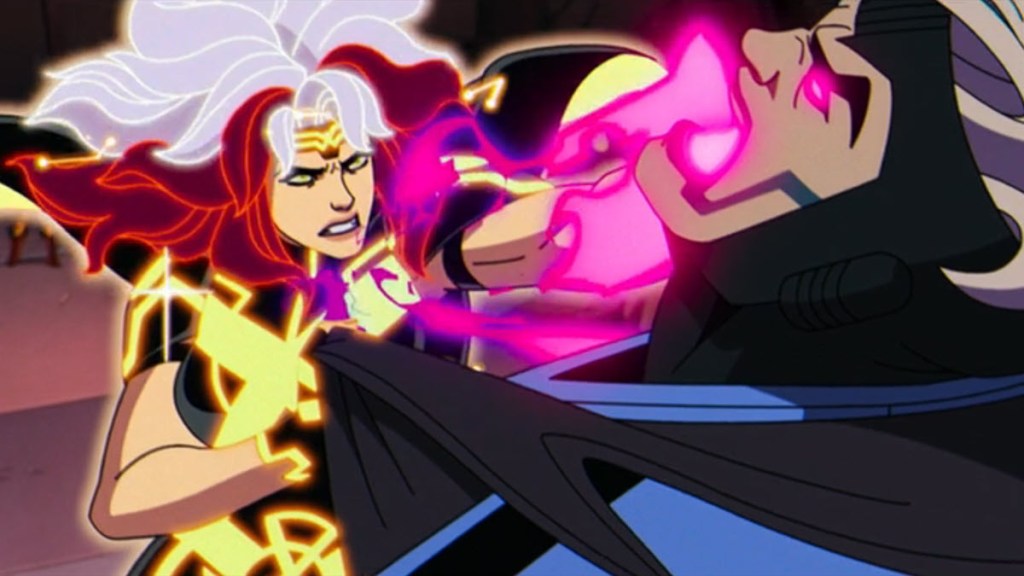
Using her enhanced powers, Rogue is able to purge Gambit of Apocalypse’s spirit. However, while her Celestial power faded away afterward, Rogue was left alive. An explanation came shortly thereafter, as Beast entered the room holding Nightcrawler’s Bible.
After Rogue’s departure, Nightcrawler contacted Eson as well. He offered his life in exchange for his sister’s, saying his death would save lives beyond hers. When Eson questioned whether one death could truly “bring forth all this life,” Nightcrawler’s response was as quietly powerful as Kurt Wagner himself. “I have faith.”
Nightcrawler’s death is the perfect payoff to X-Men ’97’s battle against Apocalypse
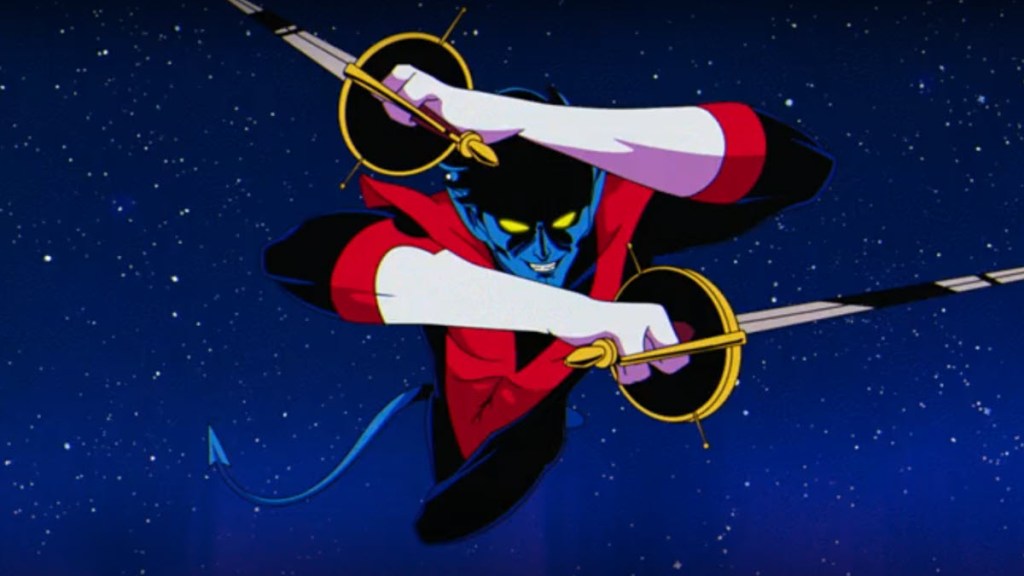
The fan backlash to Nightcrawler’s death in X-Men ’97’s Season 2 finale was almost immediate. One highly praised aspect of the series was how it utilized Kurt Wagner better than the original X-Men: The Animated Series. Even with an altered background from the comics (where Nightcrawler was religious but not a monk) the new series restored his wise-cracking, swashbuckler side. It also referenced his unusual friendships with Colossus and Wolverine from the comics. Given that, it seemed wasteful to kill Nightcrawler off just when he was beginning to be properly portrayed.
This is a natural reaction for X-Men fans in general and Nightcrawler fans in particular. However, it ignores how perfect Kurt Wagner’s death is on many levels. On a character level, it makes sense that the most spiritual and romantic of X-Men would sacrifice himself for the cause of love. Not only the romantic love of Gambit and Rogue, but also Nightcrawler’s love of humanity in general.
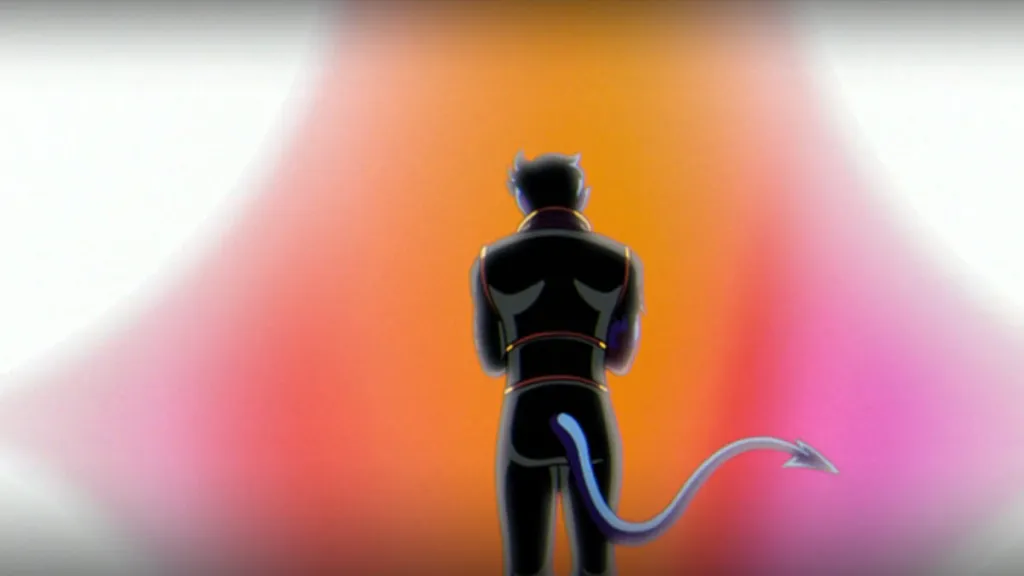
Thematically, it is also appropriate for Nightcrawler to sacrifice himself. The season’s main villain, Apocalypse, was born of hatred and empowered by death. It is fitting then that he should ultimately be defeated by acts of love meant to affirm life.
The death also makes sense on a story level, given the post-credits scene of the X-Men ’97 Season 2 finale. The brief scene reveals the status of Nightcrawler’s mother, Mystique, and that his half-brother, anti-Mutant activist Graydon Creed, has been elected President. Removing Nightcrawler as his family takes on new prominence has to be an intentional choice by the writers to provoke drama. Additionally, Nightcrawler’s death is also the one most likely to affect the most characters in X-Men ’97 Season 3, given his status as the heart of the X-Men.