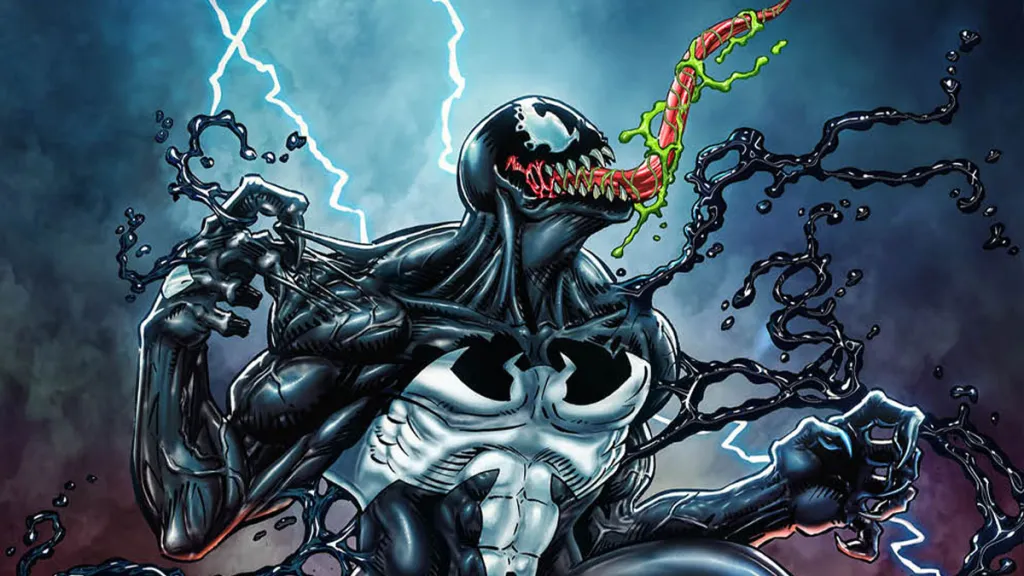
The best Venom comics give us a glance at the character outside the carnage (pun intended). The symbiote has a complex relationship with the Marvel universe, appearing as both hero and villain since its debut. We’ve collected the comics featuring some of Venom’s best stories below, which will help you find a good jumping-off point to explore more of his adventures.
Best Venom comics as of 2025
While Venom first appeared as a villain, he’s evolved significantly as a character since then. However, despite making the leap to anti-hero, he’s still a force of chaos in the Marvel universe and tends to struggle with his destructive nature. Additionally, he’s a parasite, so the hosts he inhabits aren’t always the most willing participants.
King in Black
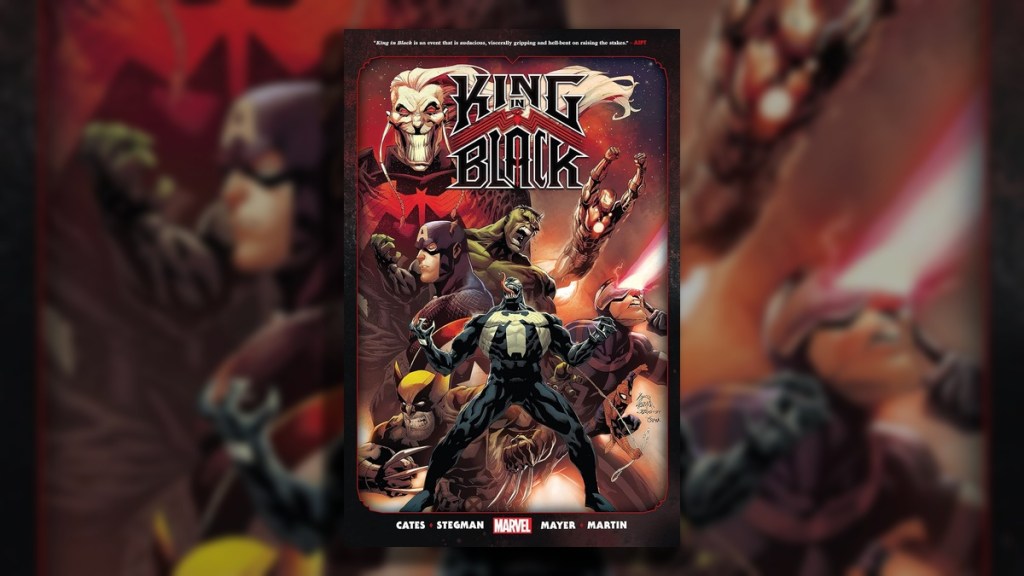
In King in Black, the symbiote god Knull and his army attempt to invade the Earth. Knull faces off against the full roster of Marvel heroes while Venom attempts to find a way to defeat him. Despite all their efforts, the fight comes down to Dylan Brock’s unique ability and his father Eddie’s relationship with him.
King in Black is an epic storyline that rivals Secret Wars in scope and grandeur. All the pieces of the Marvel universe are moving throughout this series, and it’s an excellent read for any superhero fan.
Venom: Lethal Protector
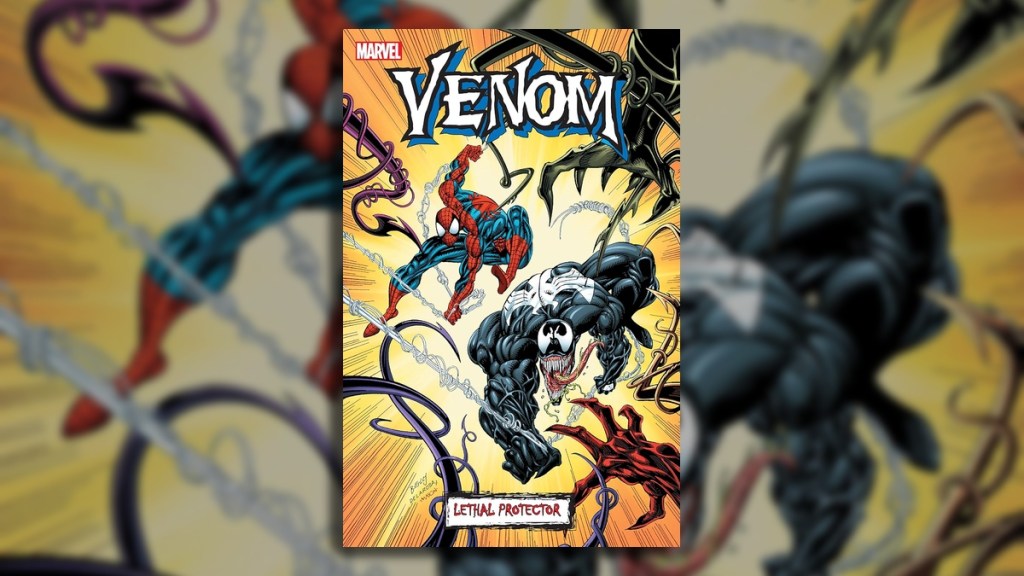
Eddie Brock and the Venom symbiote move to San Francisco to start fresh as a “lethal protector.” They help innocent people while using brutal methods against criminals. They get caught up in a conflict involving underground dwellers, corporate corruption, and other symbiotes that are created from Venom’s offspring. Eddie struggles to be a hero while the symbiote’s violent nature constantly pulls him toward more extreme measures. This 1993 six-issue miniseries was created by David Michelinie and Mark Bagley.
Lethal Protector is Venom’s first solo series, which was groundbreaking at the time. After years of being primarily a Spider-Man antagonist, Eddie Brock finally got to be the protagonist of his own story. This allowed for much deeper character development and exploration of the symbiote. The series established Venom as an anti-hero rather than a pure villain. The “Lethal Protector” concept, where Venom protects innocent people in his own brutal way, also became a defining characteristic that influenced many future stories. This moral complexity made the character much more interesting than a simple monster. Mark Bagley’s artwork was so good, capturing Venom’s terrifying (!!) presence and his occasional heroism. This influential six-issue run established a ton of Venom lore, so be sure to pick it up.
Venom: Separation Anxiety
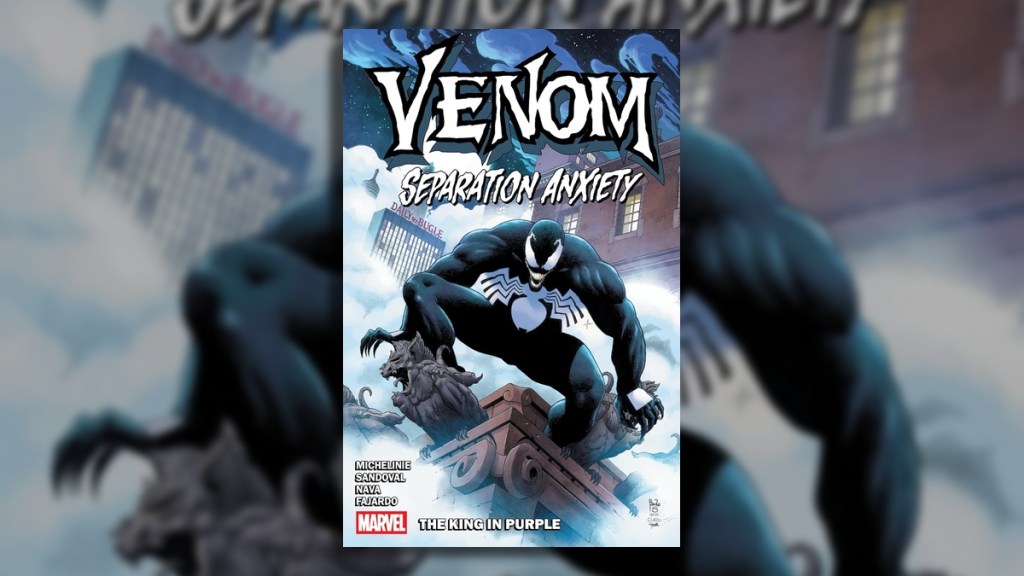
Eddie Brock and the Venom symbiote face their greatest threat when the Purple Man uses his mind control powers to steal the symbiote away from Eddie. As Purple Man gains increasing control over the alien partner, Eddie becomes weaker and more desperate while the villain grows more powerful. Eddie must find a way to break the Purple Man’s mental hold and reunite with his symbiote before he becomes unstoppable and threatens all of humanity. This new release was written by David Michelinie and illustrated by Gerardo Sandoval.
While there was a four-issue series with the same title, I chose this new release for several reasons. David Michelinie is the co-creator of Venom and returned to the character with this issue. It’s very much a throwback to a certain era of Marvel comics, so if that’s your speed, you’ll love this one. The series offers “back-to-basics” Venom storytelling with classic action and Eddie angst, but with new storylines. It’s high-stakes, I mean, all of humanity could be lost, so it’s extremely engrossing. The artwork is incredible with Venom looking larger than life and that terrifying toothy grin gracing every page. David Michelinie has a firm grasp on the character so the dialogue feels solid. This is probably what you’re looking for when you pick up a Venom comic.
Spider-Man: Birth of Venom
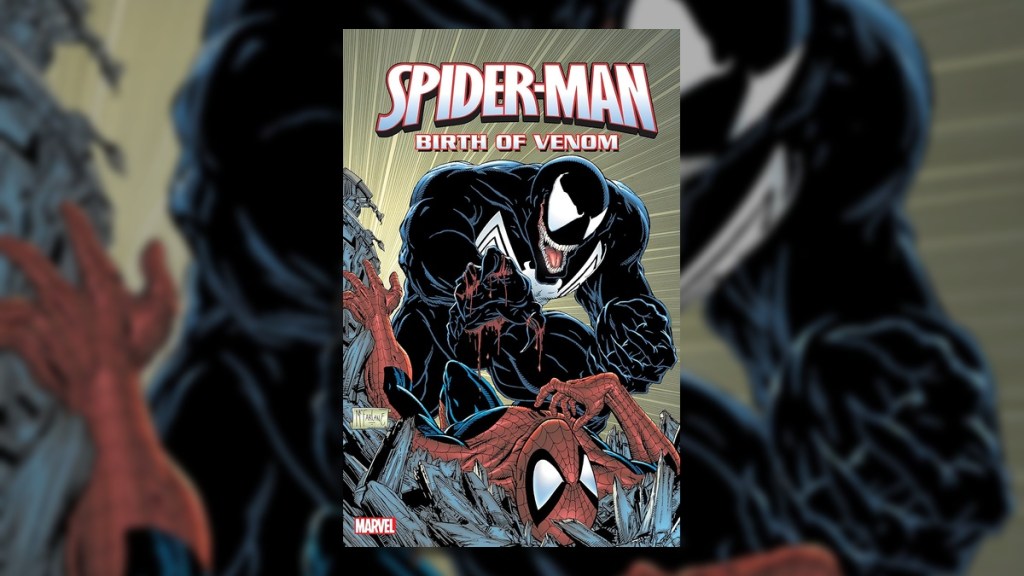
Spider-Man discovers a black alien costume on Battleworld that enhances his powers. Back on Earth, he learns the suit is actually a living symbiote trying to permanently bond with him. Peter rejects it, and the angry symbiote bonds with Eddie Brock, a disgraced journalist who blames Spider-Man for ruining his career. Together, Eddie and the symbiote become Venom, Spider-Man’s new deadly enemy who knows all his secrets and wants revenge.
Spider-Man: Birth of Venom isn’t actually a single comic: it’s a trade paperback with the stories where Venom first appeared. The collection includes key issues from Secret Wars, Amazing Spider-Man, and Fantastic Four. The origin of the black suit in Secret Wars #8 (1984), where Spider-Man first encounters what he thinks is just a costume-making machine on Battleworld is a foundational story. It showed the symbiote’s alien nature and its initial bond with Peter Parker. Amazing Spider-Man #252 introduced the black costume to the main Marvel Universe, showing how it enhanced Spider-Man’s abilities but also hinted at something being wrong. The discovery that the suit was alive and trying to permanently bond with Peter (Amazing Spider-Man #258) created the horror that defines the character.
Most importantly, Amazing Spider-Man #300 by David Michelinie (remember him from above?) and Todd McFarlane gave us Eddie Brock’s first appearance as Venom. This issue is a classic because it combines the symbiote’s alien nature with Eddie’s hatred of Spider-Man. These stories work so well because they built Venom’s threat gradually: from helpful costume to parasitic alien to vengeful monster. The symbiote’s obsession with Peter, combined with Eddie’s personal vendetta, created one of Spider-Man’s most unforgettable villains.
Edge of Venomverse
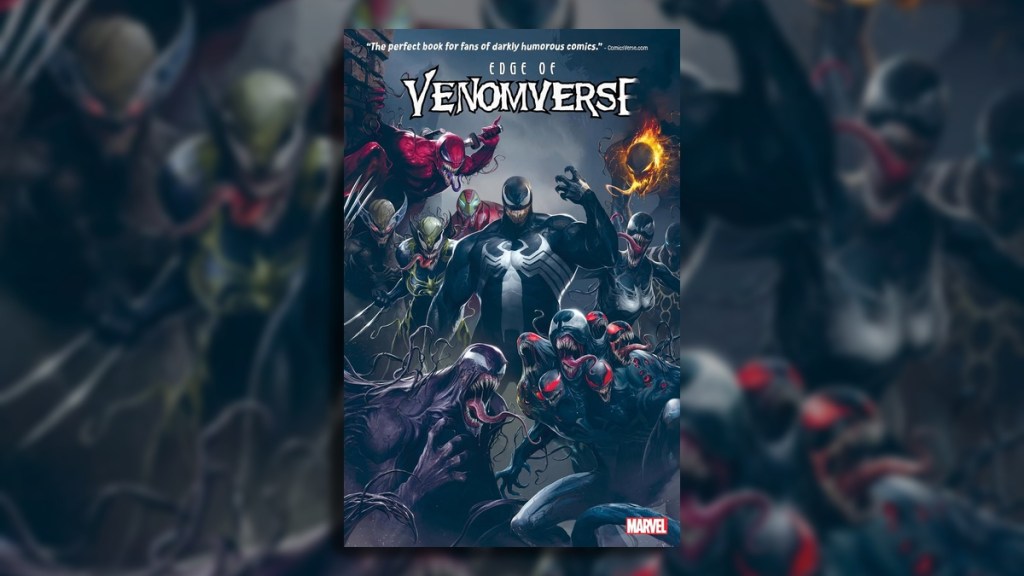
Edge of Venomverse is an anthology series showing different versions of Venom from across the multiverse. Each issue features the symbiote bonding with different hosts in alternate realities, like Gwenpool, X-23, and other characters who never became Venom in the main Marvel universe. These stories explore how the symbiote would behave with different personalities and in different worlds, setting up the larger Venomverse crossover event.
This anthology allowed different creative teams to explore their own takes on the Venom concept. It’s fun to see how the symbiote might work with different hosts or in different settings. Some individual stories were really creative, like seeing the symbiote bond with characters like Gwenpool, X-23, or even non-human hosts (like a raccoon). These scenarios let writers explore the symbiote’s adaptability. While not uniformly strong unfortunately, each creative team brought their own visual styles to the stories. This is definitely more subjective. The series is viewed more as a fun diversion rather than a cornerstone of Venom lore. However, it does tie into the larger Venomverse event, and establishes some important stories.
Venom: Planet of the Symbiotes
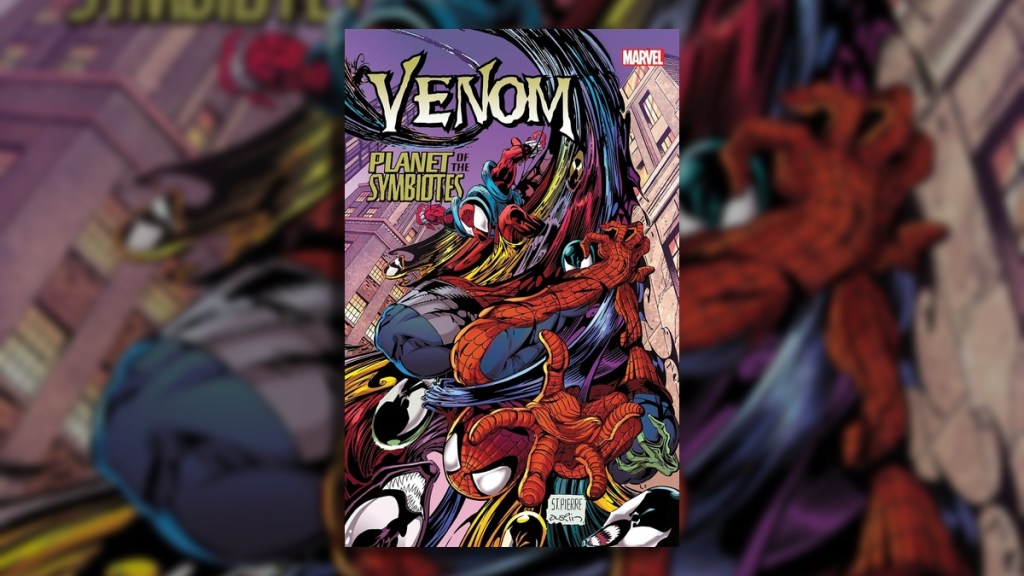
An army of symbiotes invades Earth from space, threatening to bond with and control the entire human population. Eddie Brock and his Venom symbiote must put aside their usual anti-hero behavior to become Earth’s protectors against this planetary invasion. Working alongside Spider-Man and other heroes, Venom becomes the key to stopping the symbiote army since his alien partner understands their weaknesses and can help turn the tide in humanity’s favor. This five-issue series was written by David Michelinie and illustrated by Kyle Hotz.
Planet of the Symbiotes raises the stakes significantly. The scale and concept were truly epic. This isn’t just Eddie fighting street-level criminals; it’s a planetary threat that requires him to step up as a true hero. He really has to push his limits and face the poor choices he’s made in the past. He really proves himself as a hero, pushing past his villain status. There’s humor, cool fights, and actions I didn’t see coming. Some Spider-Man/Venom lore knowledge is helpful in reading this one since Michelinie draws on Marvel history. The art really pops, and so do Scarlet Spider’s glutes (what’s his workout?). The characters look like bodybuilders. It’s significant event in the Marvel universe, and affected more than just Venom’s corner of it.
How we chose the best Venom comics
The best Venom comics have a few requirements. We definitely want heavy Venom content, of course. In addition to that, we want to see him grow, learn more about the symbiote bond, include a few cool crossovers, and the story has to feel significant. Some of these comics are foundational to Venom’s mythology, while some are creative meditations on the symbiote. The best writers balance his monstrous nature with his protective instincts. Venom is a very visual character, so the artwork needs to capture both his terrifying and heroic aspects. Does the story hold up on rereads? Are fans still talking about it years later? These are questions I ask myself. What do you think are the best Venom comics?