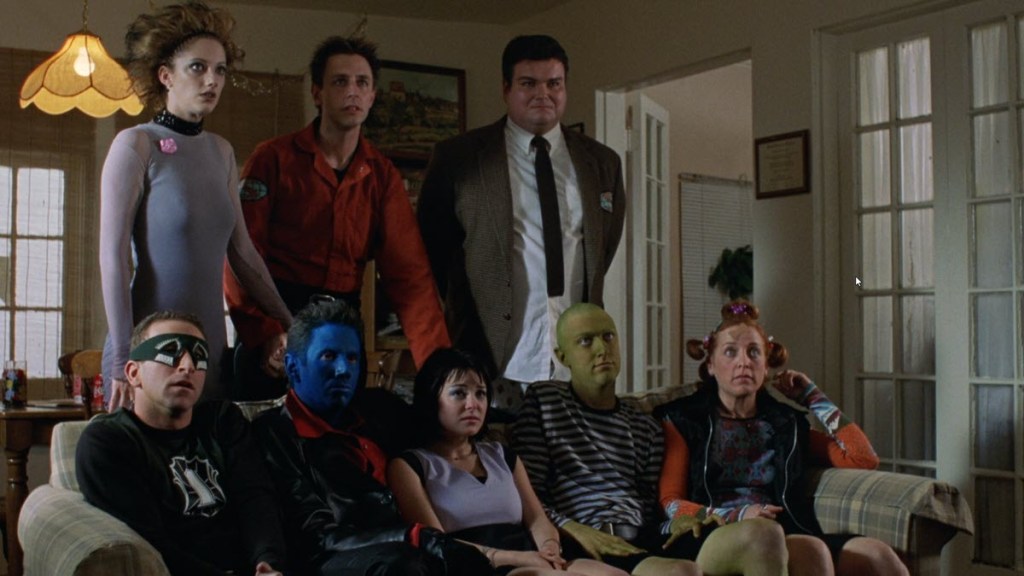
James Gunn is undoubtedly the king of comic book movies. No other director has seen his success in both the MCU and DCU. However, while Gunn has always been a comics fan, he wasn’t always a Hollywood golden boy. Indeed, his earliest efforts making independent superhero movies were box office bombs. And yet, rough as they are, The Specials and Super do show signs of the greatness to come.
The Specials showcases Gunn’s love of quirky comic book characters
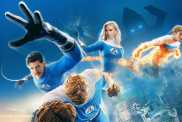
Released in 2000, The Specials depicts a day in the life of the “6th or 7th greatest superhero team in the world.” Specifically, the day the team is to be honored with their own line of action figures. However, the team’s future is called into question, after years of resentment lead to a public relations fiasco.
The Specials had the odds stacked against it from the start. Its release was delayed due to the similarly-themed and higher-budget Mystery Men. When that film bombed, The Specials was given a limited theatrical release after almost being shelved. Before that, the production was troubled and rushed, with James Gunn bowing out of directing. This was due to his exhaustion from playing the shrinking superhero Minute Man, while also rewriting the script to accommodate the reduced shooting schedule.
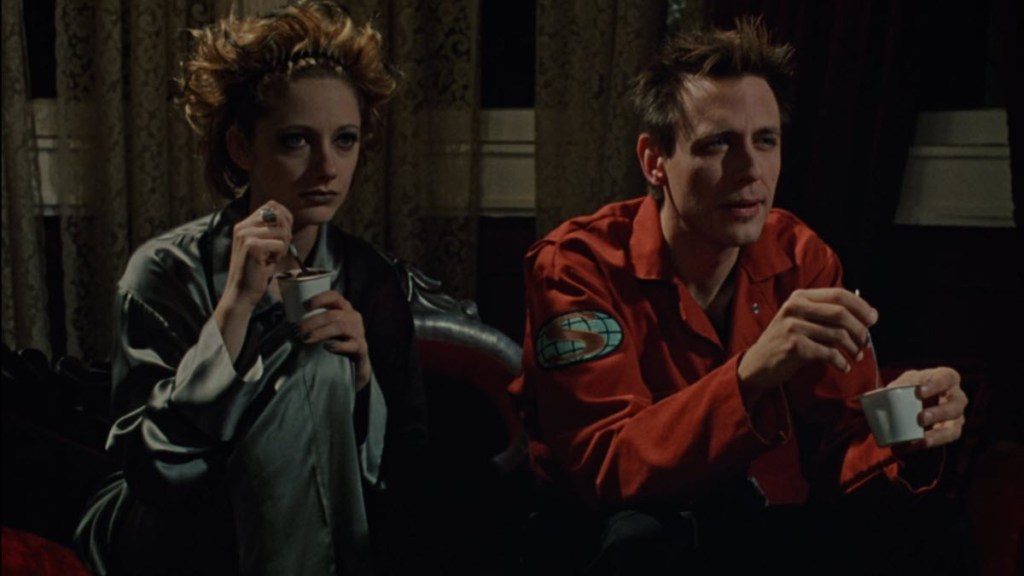
Gunn also battled with director Craig Mazin over the film’s format. Gunn had written The Specials as a mockumentary, in the same vein as This Is Spinal Tap. However, Mazin filmed it like a sitcom and cut most of the scenes of the characters talking to the camera.
In later years, James Gunn said that his original script for The Specials got him more work than the movie. However, the final film is not without merit and contains many of Gunn’s hallmarks. Like Guardians of the Galaxy and The Suicide Squad, it is built around a group of misfits fighting impossible odds. It also features a quirky dance scene, set to Reunion’s 1974 song “Life Is A Rock (But The Radio Rolled Me).”
James Gunn’s Super is no Superman
Despite being in production since 2002, James Gunn’s Super was largely dismissed as a rip-off of Kick-Ass. This is understandable, given both movies center around a loser inspired to superheroism. The key difference, however, is that Super treats the ideas of superheroes and heroism with far more respect.
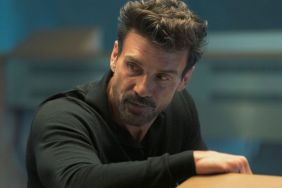
The movie centers around Frank, who feels powerless after his wife, a recovering drug-addict, falls off the wagon, and hooks up with a local gangster. When the police dismiss Frank’s concerns, he takes matters into his own hands as The Crimson Bolt. This comes after Frank has a divine vision, in which God tells him to fight crime.
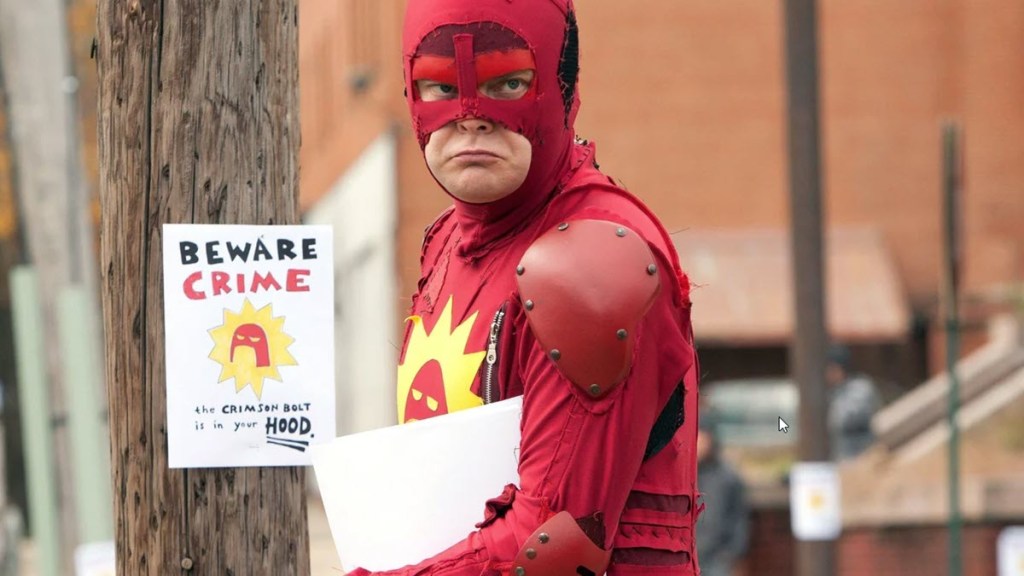
While the film’s marketing emphasized the silliness of superheroes in the real world, James Gunn paints Frank as a Don Quixote figure. The script of Super offers evidence that Frank has both gone insane and that he truly has a mandate from God. The film’s final scene makes a case for both viewpoints, as Frank ponders how “sometimes how it looks and how it is are two different things.”
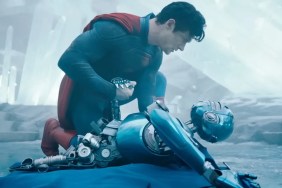
Super is a violent movie that suffers from tonal shift issues. Despite this, it ultimately promotes the idea that evil starts with apathy and good people doing nothing. That is a message sure to resonate with the many Superman fans who still believe that a man can fly.