With Disney’s finalized acquisition of 20th Century Fox in 2019, speculation began on what a new MCU version of the X-Men would be like. They had some time to plan, as the company legally still had to wait to use some characters, let certain contracts run out, and had their own plans to wrap up before introducing a new wave of mutants, villains, and storylines to audiences. Now that more of the pieces are falling into place for this project, and it seems their debut is likely to follow Avengers: Doomsday and Secret Wars, many fans are eager to know what incarnation their favorite heroes will take.
The Fox films blazed an impressive path, even if things got messy and the timeline became a little convoluted, but Disney will want to do their own thing and make it theirs, also further separating their IP from the dark cloud of Bryan Singer. This is a good time for a fresh take. It has been 25 years since the first X-Men movie, but that masterpiece may still have a lot to teach the next generation of mutants.
What Disney needs to do to ensure a successful X-Men MCU debut
There are a ton of theories as to how mutants will be integrated into the cinematic universe, and we’ve received a few teases of them popping up already. From Namor to Kamala Khan, the teases of Homo superior are already there, not to mention appearances of X-Men from alternate universes like Beast and Professor X. Still, there are a lot more characters to add to this ensemble cast. Most are hoping we’ll get the Avengers approach, exposing audiences to a few of the heroes, establishing them before a full movie centered on the characters is released. Instead of focusing everything on two or three individuals – or let’s be fair, hanging the entire franchise on Wolverine – we should see a more balanced set of players that even non-comics fans will feel like they know to a degree, allowing more time to concentrate on the story.
The X-Men MCU movie could take some inspiration from Marvel’s recent success with X-Men ’97. The show has a strong roster and demonstrates how to bring in and send off characters a bit more naturally, similar to how it happens in the monthly issues. The X-Men cartoon also provides a shining example of strong narrative guidance, showing how to translate extensive plots into events that could fit into a single movie or be carried over while still making viewers feel like they experienced a full story. Which adventure the team goes on first can set the mood as well as their future path. It needs to feel epic, but not too crowded or complicated.
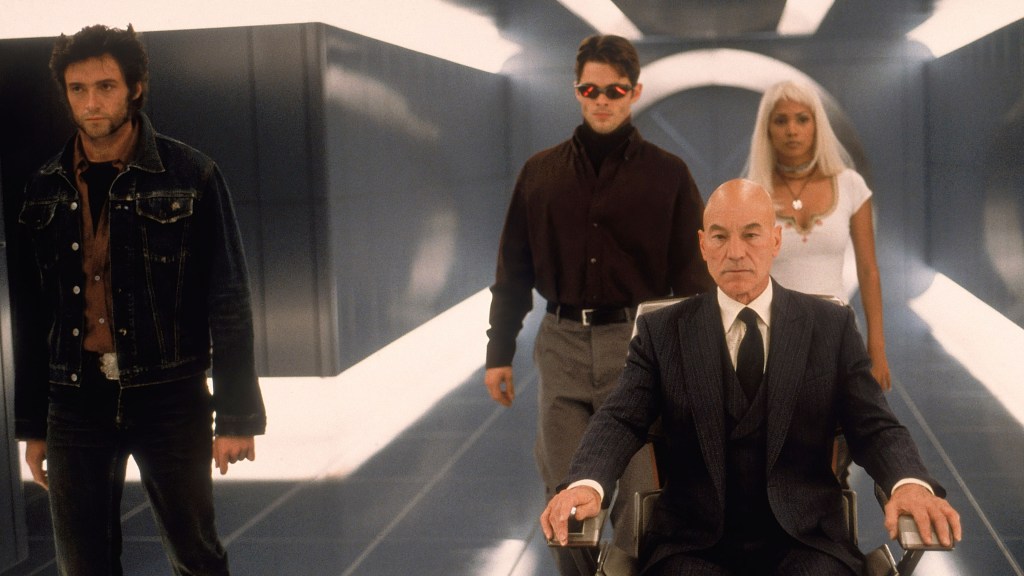
The roster and story help establish the core, and keeping the characters and events at least somewhat close to the source material will endear long-term fans. The writing is a huge part of this, but it’s also about finding the right actors to bring our favorite mutants to life. I joked about not hanging the entire franchise on Wolverine, but that’s partially because there most likely won’t be someone to rival Hugh Jackman’s run for a while. Also, Patrick Stewart and Ian McKellen brought gravitas to the genre, elevating the confrontation and chemistry between Charles and Erik. It’s arguable whether or not the name recognition is necessary, but they’ll need to find people who can help show the importance and give weight to these relationships. Also, I’m begging them to do better by Cyclops and Storm.
What Bryan Singer’s take on the franchise can teach Disney
The original X-Men movie is still impressive and helped shape the future of the genre. It took a complex property and picked a few focal points while still having a ton of moving parts and outside points of interest. I love the scenes at the school, showing off the students, mentioning the X-Men’s other activities, setting up love triangles, and teasing Wolverine’s backstory without needing to go too deep just yet. This film doesn’t require much X-Men knowledge, as most of what we need is explained, and relationships are inferred. We have Wolverine and Rogue as our ‘new’ characters that can have important information said to them, so the exposition feels slightly less forced. Protecting Rogue becomes Logan’s reason for sticking around, securing his motivation and cutting out any need to draw out the potential of him leaving, until the end, when we’re satisfied and excited for future adventures.
I like that the first film tells a whole story, doesn’t rush through it to get to newer or more fan-favorite plots, but focuses on the core conflicts of the X-Men versus Magneto. The Master of Magnetism is a threat on his own, and although he has his Brotherhood of Mutants, it’s clear who the real danger is. Erik Lehnsherr isn’t just causing problems; he feels history is going to repeat itself with concentration camps for mutants, so he’s passionate, and his past scars lead him to believe his crusade is a virtuous one. Something we see in a couple of brief scenes (that fantastic opening and the number on his arm). Villain motivation is important, but this also allows the story to put a microscope on the societal problems that our heroes also face.
“Well, what would you prefer, yellow spandex?”
The movie also establishes a certain tone. The X-Men have always felt a little more serious, featuring higher stakes and damning consequences, while keeping the comedy to a minimum and still embracing some of the sillier comic book contrivances that made the source material what fans love. Finding that balance – matching it near the MCU tone without copying it exactly – will help the movie create its own identity and feel more genuine.
This last part is one that some people think hurts the property, but the mutant story has always touched on a lot of social commentary. The X-Men, and mutants as a whole, work in a way because they are naturally different and separated from normal people, either by visible variances or their extraordinary powers, providing a built-in conflict. Those belonging to this next stage of human evolution are often feared and persecuted, granting them the potential of representing those reading their stories, finding themselves within the heroes.
Whether someone believes the X-Gene represents the LGBT, specific races, disabilities, real-life genetic mutations like my own albinism, or simply being an outcast, their struggle is instantly more relatable. Everyone should be able to see themselves in their fight, whatever the reason, big or small. As long as it isn’t overdone, this aspect is invaluable for helping viewers connect with the characters. The original X-Men movie did that, made us care a little, enough to where we wanted to see them succeed, but more importantly, we wanted more and needed to see them again. That’s part of what keeps that first film so good, and as a potential roadmap for Disney’s X-Men MCU movie.